Concept
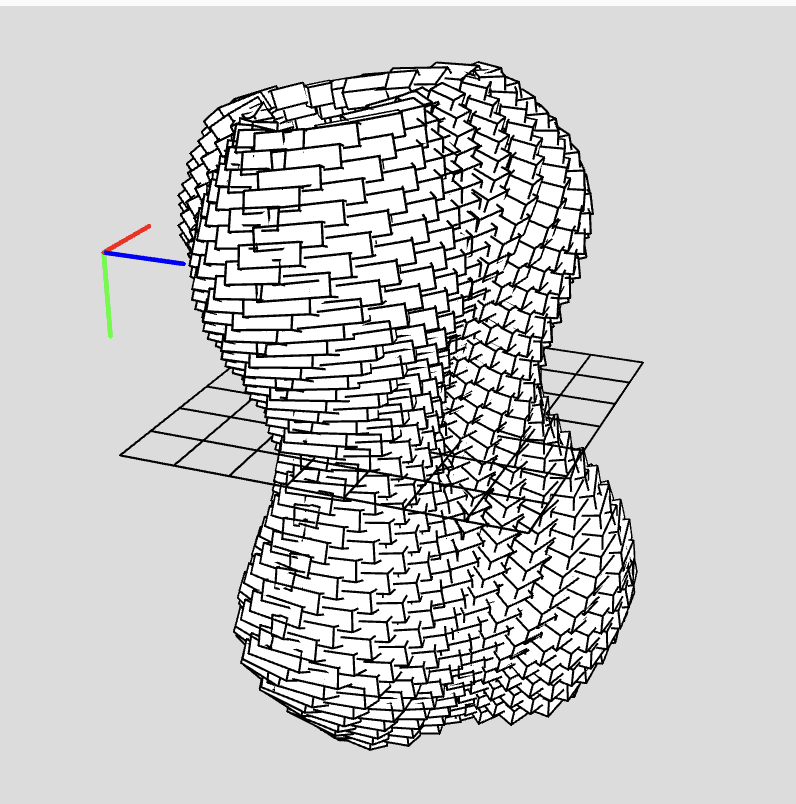
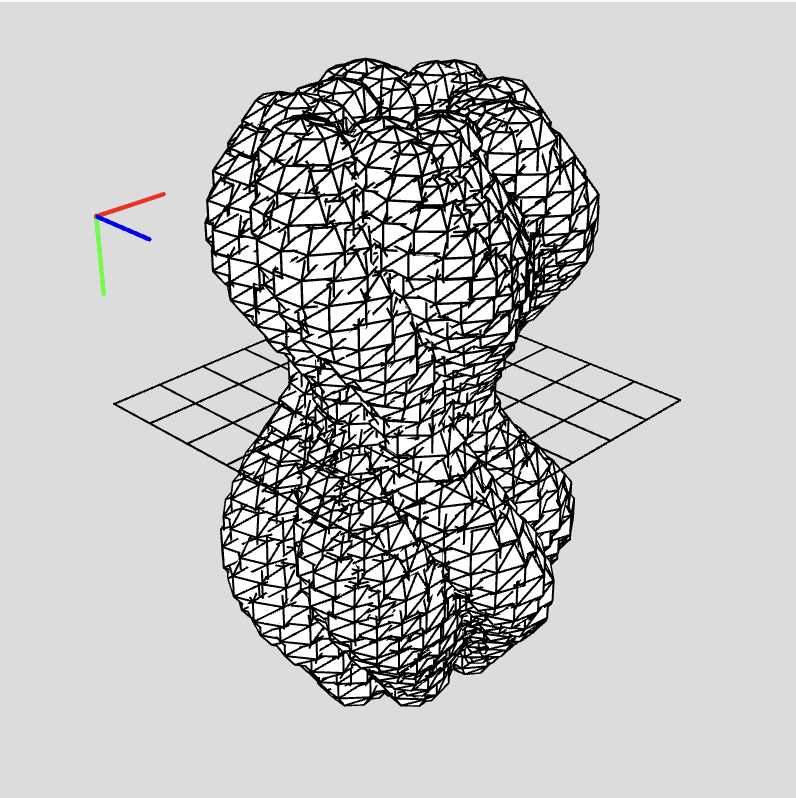
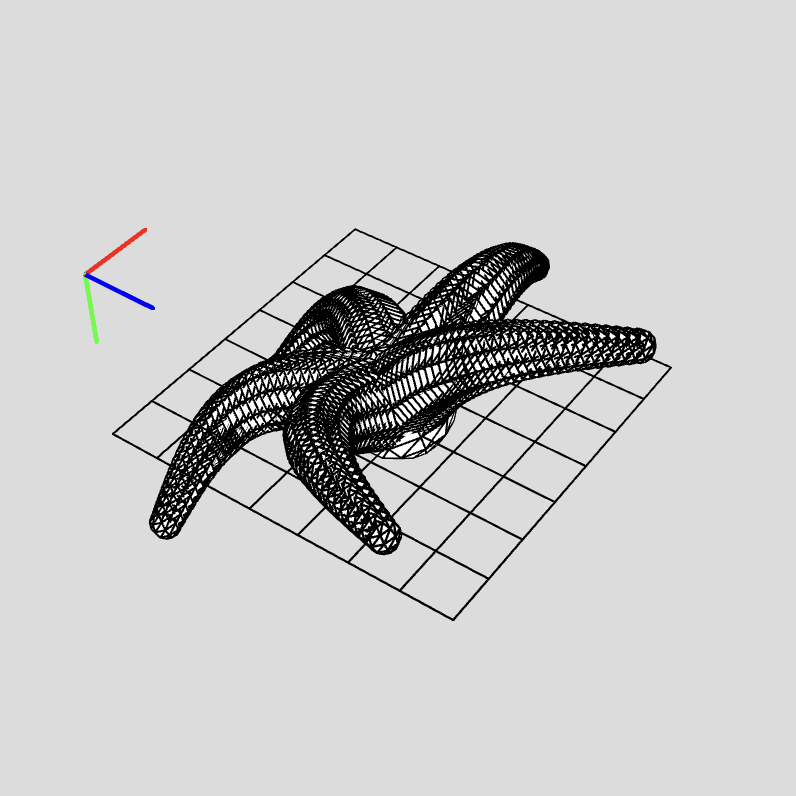
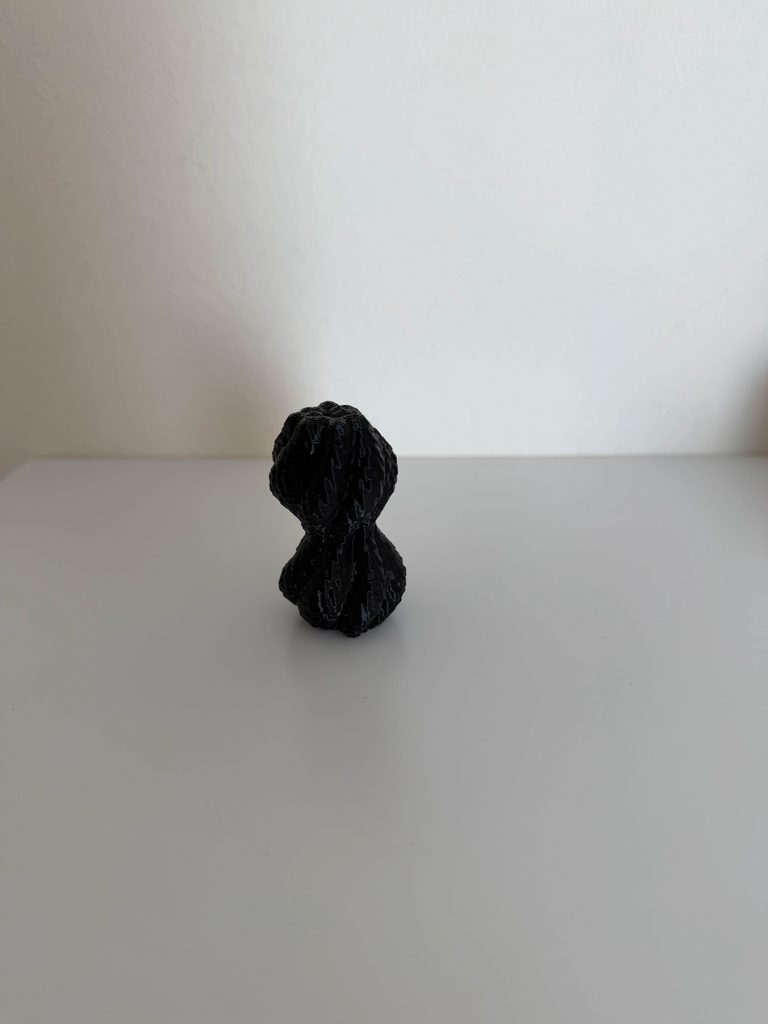
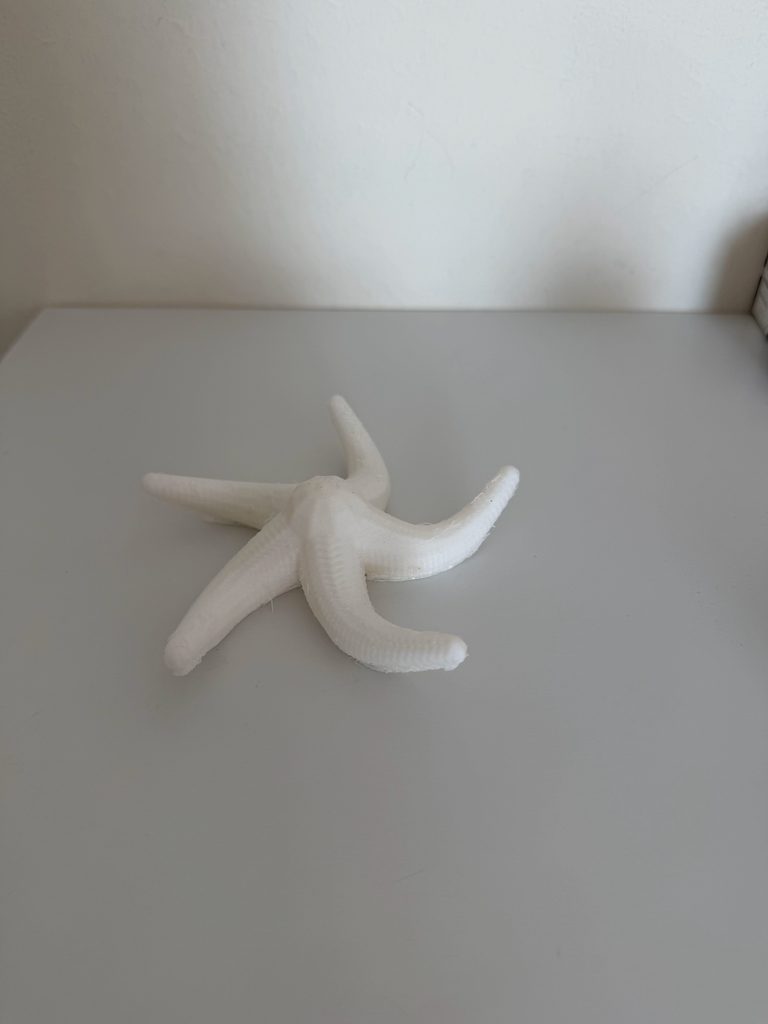
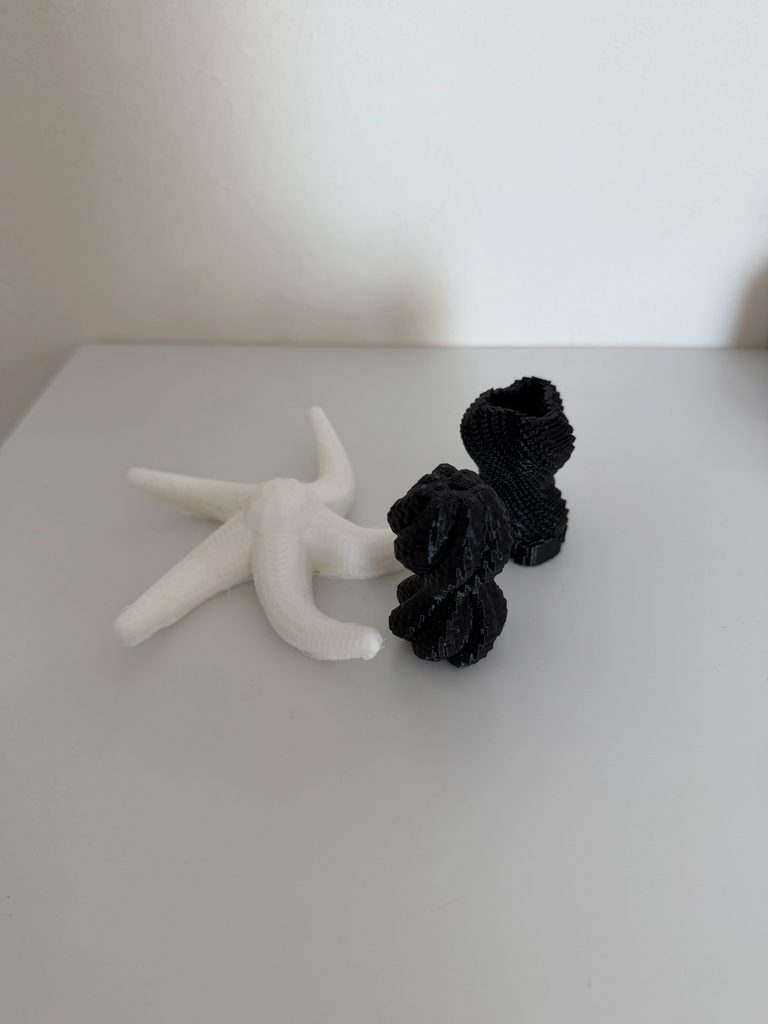
For this assignment I wanted to explore how simple repeating shapes could be used to create more complex 3D forms. I began with rules about repetition, rotation, size and movement, rather than starting with a specific object. I made three distinct designs using boxes and spheres, changing variables such as the number of layers, radius, rotation and size of each repeated shape. The first design I did is a repetition of boxes layered to create a form that twists and has waves. The second design is based on spheres of different sizes and positions which create a more organic and irregular shape. For my third design I moved away from the vertical forms and experimented with radial growth. Five curved arms growing out from a central point, gradually becoming smaller toward the ends. And I wanted to see how some mathematical rules could totally change the overall shape of a 3D design with these experiments.
p5.js Sketches
Design 1 – Tower Sculpture 1
Design 2 – Tower Sculpture 2
Design 3 – Star
3D Design Screenshots & Workflow
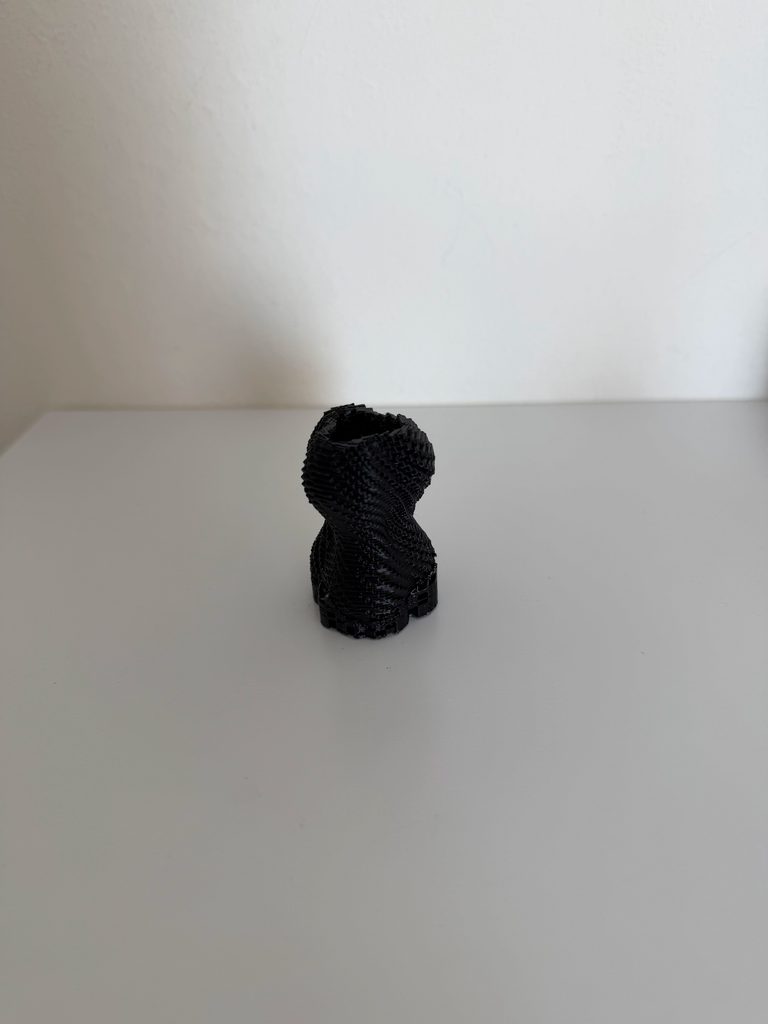
Final 3D Print
Process and Challenges
I started by playing with simple repeated shapes because I wanted to see how small changes in the code could impact the whole 3D form. One of the big things I experimented with was the relation between repetition and variation. When I used the same size and position for all repeated shapes, the designs looked too regular. The forms became more dynamic with sin(), map(), rotation and changing sizes. Another challenge was thinking of the designs as physical objects and not just looking at how they look on screen. There are some shapes that look good in the digital world, but have tiny gaps or parts that don’t connect well enough to be 3D printed. This meant that I had to think about the spacing, size and overlap of the repeated shapes when thinking about what design could be a physical object. I also experimented with different numbers of layers and repeating parts. Increasing these values led to more dense forms while decreasing them opened up the structure. Testing these variations has shown me how much the overall design can vary with only a few variables changed.
Reflection
This assignment changed the way I thought about computational design because I had to consider how the code would become a real physical object. When working only on the screen, I was mostly focused on whether the form looked interesting. When I started thinking about 3D printing, the thickness, spacing, connection, and scale became more important. I also noticed that very small changes in the code could have a big impact on the final form. Changing the number of pieces that repeat, the amount of rotation or the values inside a sine wave could completely change the shape . This made the process more experimental, since I could make different versions by changing a few variables. The difference between designing digitally and designing for 3D printing was that the end product had to work visually and physically. I started to really think a lot more carefully about the connection of the repeated shapes and how the object would exist as a structure. Overall, 3D printing made computational design feel more tied to material and physical constraints.